





HOW A TRUMP TAX BREAK RESCUED HORSE RACING
Owners spent nearly $1.5 billion last year on racehorses, a big increase over 2024. A new tax provision allows them to immediately deduct the full cost of the purchase ...
LEXINGTON, KY -- February 17, 2026 -- Horse racing, one of America’s oldest sports, has repeatedly been left for dead. Worries over animal safety, cheating scandals and competition from online gambling have undermined racing’s appeal.
But lately, horse racing is seeing a renaissance. Last year, owners spent nearly $1.5 billion in pursuit of fast racehorses in North America, a nearly 21 percent increase from 2024. The Keeneland September Yearling Sale, one of the premier horse auctions, set a global record with $531.5 million in total sales, up nearly 24 percent from the year before.
The sport has been helped by a series of aggressive safety measures for the animals. The Horseracing Integrity and Safety Authority was created in 2022 to root out and punish cheaters, and more than a billion dollars have been invested in new racetracks in New York and Maryland and upgrades to tracks in Kentucky.
But a big impetus of the recent cash infusion into the Sport of Kings has come from a tax break tucked away in President Trump’s One Big Beautiful Bill, which he signed into law last summer.
The tax provision — called a bonus depreciation — means businesses can immediately deduct the full cost of certain assets, like machinery and equipment, and enhance their cash flow.
It now applies to racehorses, and it is helping turn these animals into a hot investment for wealthy people.
“There’s a lot of money in the world,” said Boyd T. Browning Jr., president and chief executive of the thoroughbred sales company Fasig-Tipton. “And that bonus depreciation has made it a lot easier to spend it.”
Racehorses were included in the final version of the One Big Beautiful Bill after an 11th-hour lobbying effort by the National Thoroughbred Racing Association.
The lobbying also was successful in expanding the definition of what could be depreciated.
Previously, only a “new” yearling purchased at sale could be depreciated. Under the new tax provision, “new” can include a broodmare or stallion prospect purchased after it had started racing so long as the buyer hadn’t owned that horse before.
“Our sport has had some challenges over the last few years,” said Tom Rooney, the trade group’s president and chief executive and a former congressman from Florida. He added that with this tax break “we’ve really turned a corner.”
“I represent a lot of decent, hard-working people” in the industry “who deserved some good news,” Mr. Rooney said.
Len Green, a horse owner and accountant with a large practice in the equine industry, says the bonus depreciation is a game changer in the economics of breeding.
“This gives people who have money and enjoy racing an incentive to spend more money and reduce taxes,” Mr. Green said. “It means people are buying more and moving money from one pocket to another.”
It has been a boon to DJ Stable, the business Mr. Green owns with his son, Jon, which offered 32 mares up for sale at the Keeneland Breeding Stock Sale in November.
“We sold them all at more than a third of what we projected that they would sell,” said the younger Mr. Green, noting that the $245.9 million of horses changing hands at the Keeneland sale was the highest-grossing November sale since 2007.
At last month’s Keeneland sale, one of several that occur there throughout the year, DJ Stable sold a 12-year-old mare named Tiffany Case, the mother of the recent champion filly Nitrogen, for $3.2 million. The company bought her for just $320,000 in 2019.
Another factor driving up prices is the short supply of young horses for sale. In 2000, nearly 38,000 foals were born in North America, compared with 17,300 last year, according to the Jockey Club, which keeps a thoroughbred registry. In an industry long known for running with scissors and undercutting its own progress, there is concern that a dwindling foal crop is putting top-quality horses into the hands of just a few incredibly deep-pocketed buyers.
The declining birthrate dates back to the Great Recession of 2008, which drove owners from the sport as well as the credit markets that serviced them. Then, horse racing faced new competition as casino gambling spread from Nevada and New Jersey to other states. The legalization of sports betting now dwarfs both casino and horse racing in terms of access and competition.
Horse racing boasts a plethora of multimillionaires and billionaires with family offices focused on preserving their fortunes and limiting tax liabilities. Some of them also team up on some of the most expensive thoroughbreds, driving up prices and keeping the top of the market in the hands of a few. One group, known as the Avengers, includes Soros Fund Management; Sol Kumin, a hedge fund titan; and Barbara Banke, the owner of Jackson Family Wines.
Some sales companies and owners also credit the recent Netflix reality series “Race for the Crown” with attracting new investors to horse racing.
John Stewart, a horse breeder featured on the show, was the leading buyer at the Fasig-Tipton select yearling sale in Saratoga Springs, N.Y., last August, spending $9,085,000 for 11 yearlings.
Mr. Stewart says the tax provision is driving prices up to new heights.
“It’s crazy money at the sales now,” he said. “You see colts that have a chip on their ankle or other vet problems going for $3.5 and $4 million.”
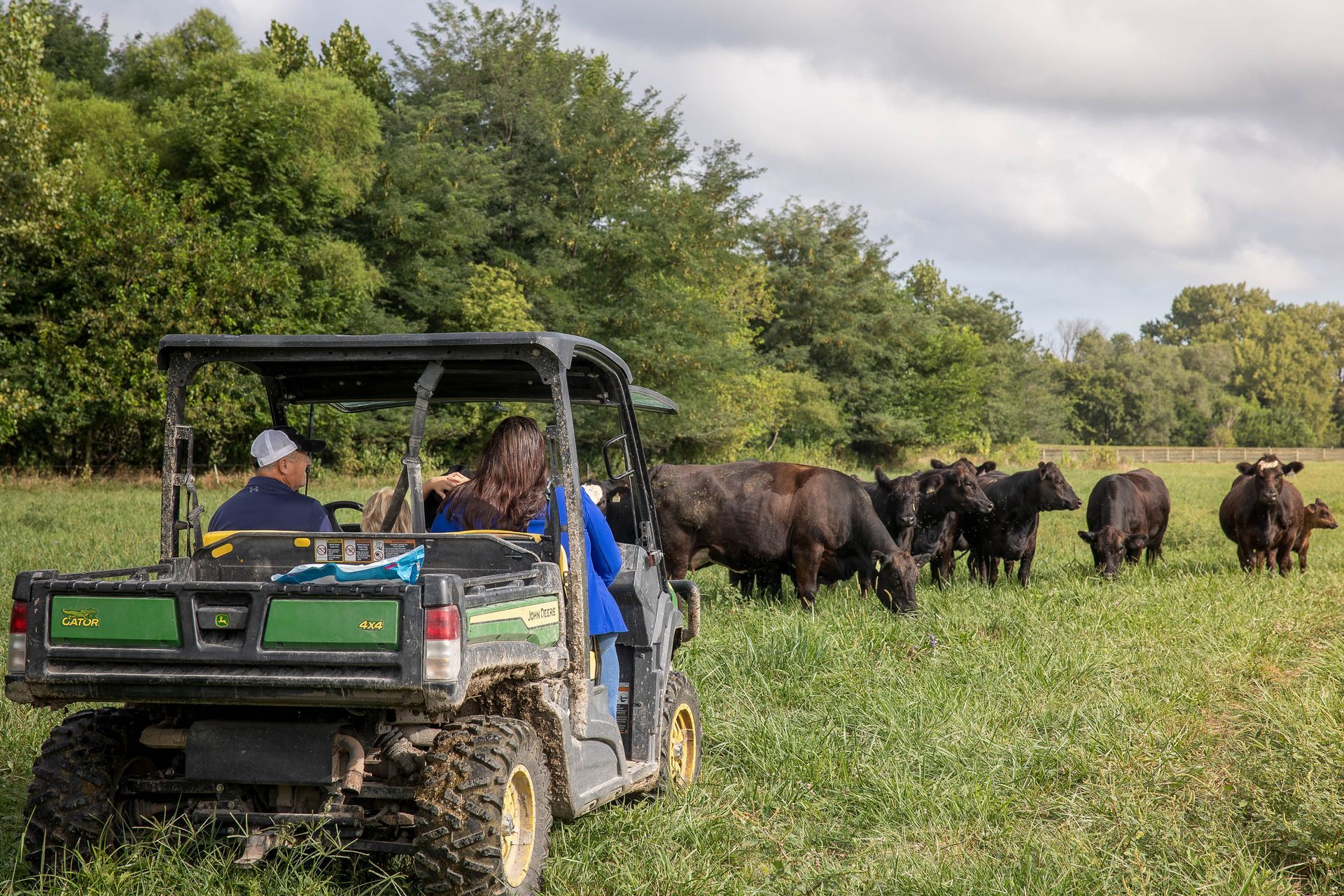
Bill Farish, who runs his family’s Lane’s End Farm in central Kentucky, said the infusion of money into the sport was spreading through the community. His neighbors, he said, recently bought new John Deere tractors and bigger barns.
He is readying his farm for the breeding season to open in mid-February, when the 18 stallions in Lane’s End stands will wear out the path between the paddock and the breeding shed morning, noon and afternoon.
The early foals are already dropping in the bluegrass now, slippery as seals with legs akimbo until they vault themselves to their feet to meet their mothers.
Breeders and owners are anticipating another record-breaking year in the sales ring. It is off to a fast start. Keeneland’s two-day January Horses of All Ages Sale moved 700 horses for more than $53.5 million, its highest gross since 2008.
“I’d love to see the foal crops get bigger, because right now there is a tremendous demand for racehorses,” Mr. Farish said.
Joe Drape is a Times reporter writing about how the intersection of money, power and sports impacts our culture.